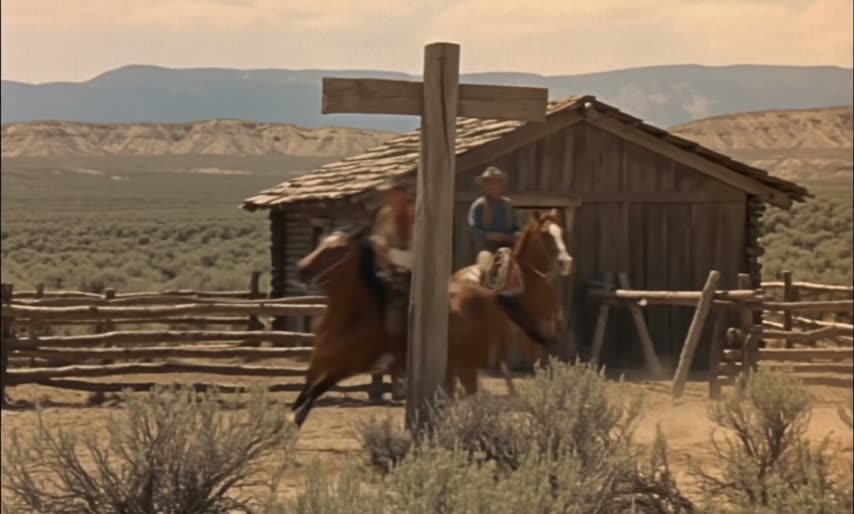
Rapid storyboard iteration
With a 10-second shot returning in seconds rather than minutes, you can test several framings of the same beat before committing to one. Fast turnaround changes how many ideas you can afford to try.
FLUX 3 Max is the fast, post-trained version of FLUX 3 Video. It turns text to video, a still image to video, or up to 10 keyframes into 5–20-second clips with native audio at up to 1080p — and its makers report a 10-second clip in about 12 seconds.
FLUX 3 Max generation on this site is being set up. The prompt studio is free to use today; credit prices will be published on the pricing page before generation opens.
About the model
FLUX 3 Max was released on October 19, 2026, with Black Forest Labs announcing it alongside the release. It is built on the FLUX 3 foundation model — the multimodal backbone trained jointly on images, video, and audio — and then post-trained with reinforcement learning and inference optimization for one goal: frontier-level quality at a fraction of the wait.
In the launch numbers, FLUX 3 Max scores 1139 Elo in the preliminary image-to-video ranking of the Artificial Analysis Video Arena, up from 1089 for the base FLUX 3 model, based on 4,868 blind human-preference votes. That ties it for first place. Render time for a 10-second clip falls from about 126 seconds to about 12. These figures come from the model makers and are preliminary.
There are three ways to drive it: text to video, image to video with an optional end frame, and keyframes to video. Every mode shares the same 5–20-second range, 720p / 1080p output, and native audio track.
Use cases
With a 10-second shot returning in seconds rather than minutes, you can test several framings of the same beat before committing to one. Fast turnaround changes how many ideas you can afford to try.
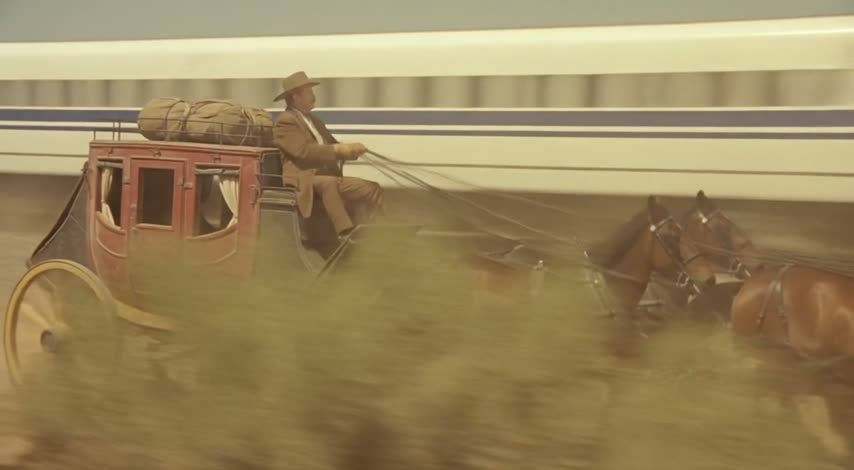
Chases, races, and tracking shots stress motion coherence. FLUX 3 Max keeps fast subjects readable across the frame, which makes it a fit for sports, automotive, and action previs.
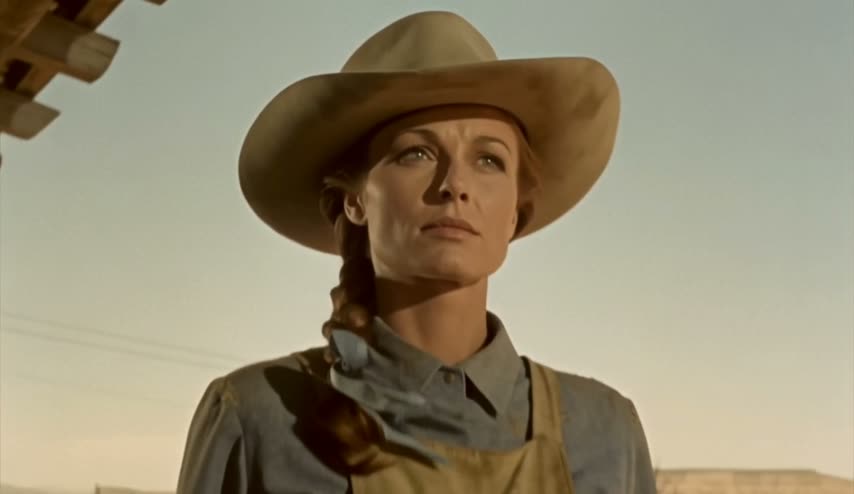
Because sound is generated with the picture, a close-up can carry its own line of dialogue, breath, and room tone. Put the spoken line in quotes and describe the delivery.

Wide atmospheric shots, golden-hour palettes, and slow reveals work well for intros and vertical posts. Pick a ratio from 21:9 cinema to 9:16 phone framing.
Capabilities
Launch figures put a 10-second clip at about 12 seconds of render time — roughly 22× faster than Seedance 2.5 at the same reported quality.
Dialogue, ambience, and sound effects are generated in the same pass as the video, so footsteps, engines, and voices land in sync.
Choose any whole-second length from 5 to 20 seconds, output at 720p / 1080p, in 7 aspect ratios.
Image to video starts from your still and can lock an ending frame, so a product shot or character pose resolves exactly where you planned.
Pin reference images to specific moments in the clip. The model generates the motion between them, which is useful for choreography and transitions.
The high reasoning level expands a short prompt into a fuller shot plan before rendering. The low level skips that step when you already wrote a detailed brief and want maximum speed.
Text to video
Describe subject, action, camera, dialogue, and sound. Clips run 5–20 seconds with native audio.
Image to video
Start from a still frame and optionally pin the last frame, so the shot lands exactly where you need it.
Keyframes to video
Pin up to 10 images to exact moments in the clip and let the model fill the motion between them.
Comparison
| Metric | FLUX 3 Max | FLUX 3 Video |
|---|---|---|
| Render time for a 10s clip (reported) | ~12 s | ~126 s |
| Preliminary image-to-video Elo (reported) | 1139 | 1089 |
| Clip length per generation | 5–20 s | Up to 20 s |
| Native audio | Yes | Yes |
Reported figures are from the October 19, 2026 launch materials and the preliminary Artificial Analysis arena snapshot; they have not been independently verified by this site.
Prompting
Lead with subject and action, then camera, light, and style. "Side-on tracking shot at speed" does more work than a list of adjectives.
Tie every sound to something on screen: hooves on packed dirt, a door creak, a quoted line of dialogue. Unanchored audio cues tend to get ignored.
A single beat rarely needs more than 5 to 8 seconds. Save 20-second clips for actions with a clear beginning, middle, and end.
Use high for short ideas you want expanded. Switch to low when your prompt is already precise, so the model follows your wording and returns faster.
Frequently asked questions
FLUX 3 Max is a speed-focused, post-trained version of the FLUX 3 Video model, released on October 19, 2026 and announced by Black Forest Labs. It turns text, a start image, or a set of keyframes into 5–20 second videos with native audio, and its makers say it renders a 10-second clip in about 12 seconds.
FLUX 3 Max starts from the FLUX 3 foundation model and adds post-training, reinforcement learning, and inference optimization. In launch figures it moved from 1089 to 1139 Elo in a preliminary image-to-video arena while cutting render time for a 10-second clip from roughly 126 seconds to about 12. Choose Max when you want fast iteration at the same or better quality.
The launch announcement reports about 12 seconds to generate a 10-second video, roughly 22× faster than Seedance 2.5 at the same reported quality score. These are vendor-reported figures; the high reasoning level expands your prompt first and adds time.
Each generation runs 5 to 20 seconds in one-second steps, at 720p or 1080p, at 24 frames per second. You can pick from 7 aspect ratios between 21:9 and 9:16, or let image-led shots follow the first frame.
Yes. Audio is generated together with the picture by default, including dialogue, ambience, and sound effects tied to on-screen action. It can be switched off when you only need a silent clip.
Yes. Image to video starts from your first frame and can optionally lock the last frame. Keyframes to video accepts up to 10 images pinned to exact moments, and the model generates the motion between them.
FLUX 3 Max generation is not open on flux3-video.app yet, so nothing is charged today. Credit prices will be listed on the pricing page before generation opens. Until then you can plan prompts in the free prompt studio.
No public FLUX 3 Max weights, model card, or license have been published. Black Forest Labs has announced FLUX 3 Dev as a separate future open-weight model, which is a different release.
No. flux3-video.app is an independent guide and creation studio. It is not affiliated with, endorsed by, or operated by Black Forest Labs. Performance claims on this page are attributed to the model makers.